
ChatGPT Images 2.0 Feature Map
What OpenAI actually shipped in ChatGPT Images 2.0
This page now maps the official April 21, 2026 launch instead of rumor themes: ChatGPT Images 2.0 on the product side, `gpt-image-2` on the API side, and the benchmark tasks creative teams can run on Vofy.
Creativity
Image Quality
The launch materials consistently emphasize editing fidelity, dense text, stronger instruction following, broader style range, and more useful world knowledge in image generation.
Editing Fidelity
The official model page positions `gpt-image-2` around fast, high-quality image generation and editing with high-fidelity image inputs, making controlled revisions a core capability instead of a side feature.
See product-edit examples →
Style Transformations
OpenAI's launch gallery spans posters, realistic photography, manga, comic pages, travel ads, infographics, and reference-sheet style outputs, which signals a much wider style envelope than generic AI art demos.
Explore creator use cases →
Text Rendering
Dense text is one of the clearest official improvements. OpenAI specifically highlights readable typography, multilingual layouts, poster systems, and information-rich graphics in the launch materials.
Review ad and editorial use cases →
Instruction Following
The system card frames ChatGPT Images 2.0 as a major step forward in instruction following, which is exactly what layout-heavy briefs, multi-constraint prompts, and structured visual directions need.
Read the launch guide →
World Knowledge
OpenAI says ChatGPT Images 2.0 has significantly enhanced world knowledge, and Thinking mode can combine reasoning and live web search to turn rough prompts into more researched visual outputs.
See how Vofy fits the workflow →
Productivity
Workflow and API Readiness
The production layer matters as much as the visuals: flexible sizes, endpoint coverage, pricing, snapshots, safety and provenance controls, and the product-versus-API differences teams need to understand.
Flexible Sizes
The image guide says `gpt-image-2` accepts flexible resolutions within documented constraints, including long edges up to 3840px, which makes the model more usable for real layout targets than fixed preset sizing.
View campaign production use cases →
Endpoint Coverage
The official model page lists `v1/responses`, `v1/chat/completions`, `v1/images/generations`, and `v1/images/edits` among the relevant surfaces, giving teams multiple ways to wire the model into production flows.
See e-commerce examples →
Snapshotting
OpenAI exposes the launch snapshot `gpt-image-2-2026-04-21`, which gives teams a stable target for benchmarking and guards against silently shifting behavior during rollout.
Understand the Vofy angle →
ChatGPT vs API
This launch needs careful reading: ChatGPT Images can make backgrounds transparent in the product, but the API docs say `gpt-image-2` does not currently support `background: "transparent"`.
Check the homepage summary →
Pricing and Cost
The pricing page now lists token-based pricing for `gpt-image-2`: image input, text input, and image output, plus batch rates, which makes launch-day benchmarking much more concrete than marketing copy alone.
Read the launch guide →
Moderation Controls
The image guide notes that GPT Image models support moderation controls for image generation, and OpenAI filters prompts and outputs against its content policy.
Open the rollout checklist →
Safety and Provenance
The system card describes prompt and image-layer blocking, a safety reasoning model, C2PA metadata, and an imperceptible watermark, which all matter for teams evaluating trust and compliance.
Read the practical FAQ →
Benchmark Workflows
Vofy matters because the launch is only useful when teams can compare the same prompt sets, edits, sizes, and approval rules across models instead of reacting to one-off demos.
See the platform positioning →
Walkthroughs
Reference Boards
These Vofy examples align with the kinds of outputs OpenAI highlighted publicly: image edits, structured layouts, dense text, and production-style visual systems.
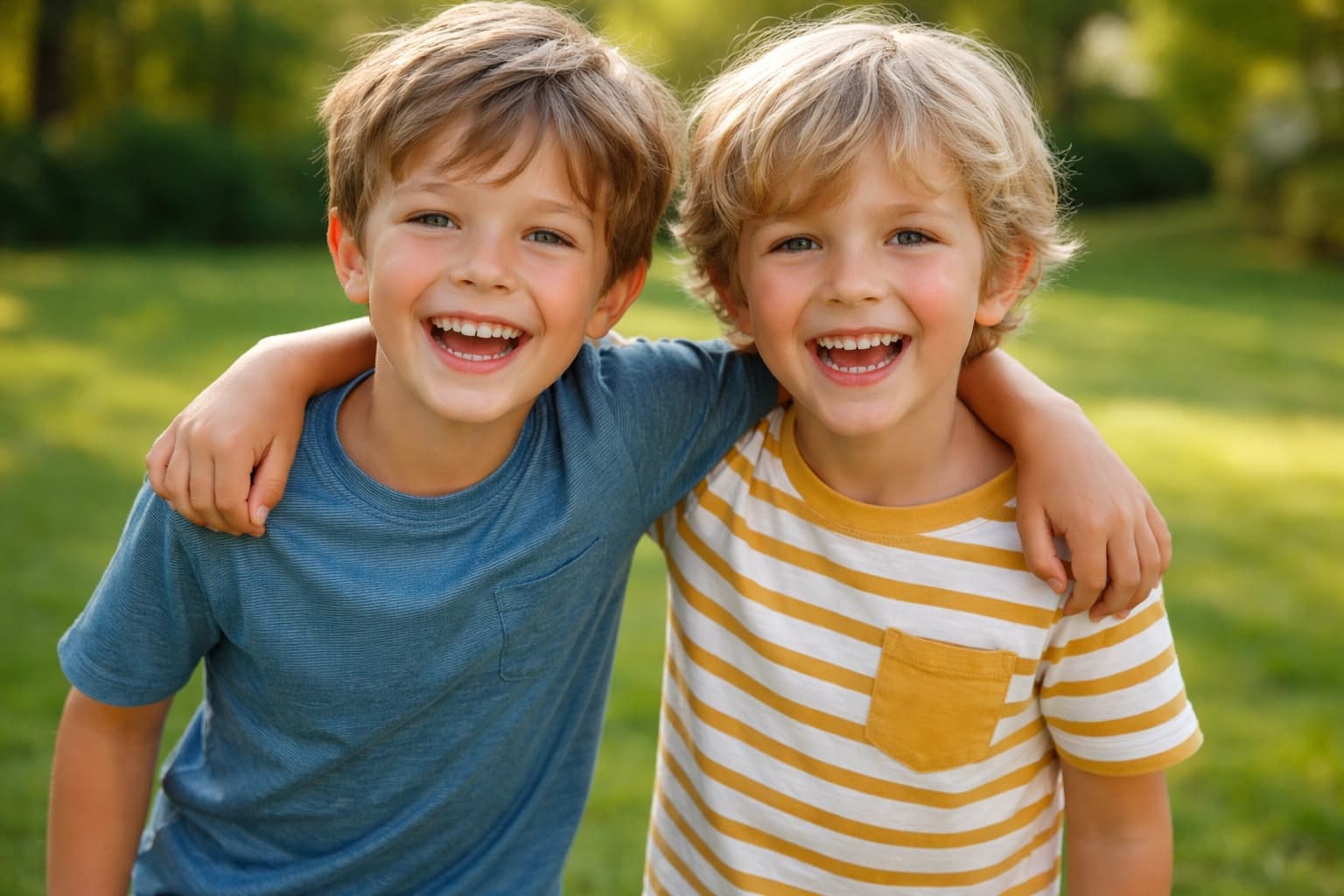
Editing Precision
Precise image edits while preserving what matters
Editing is not a speculative feature anymore. It is central to the official `gpt-image-2` positioning and one of the cleanest tasks to benchmark first on Vofy.
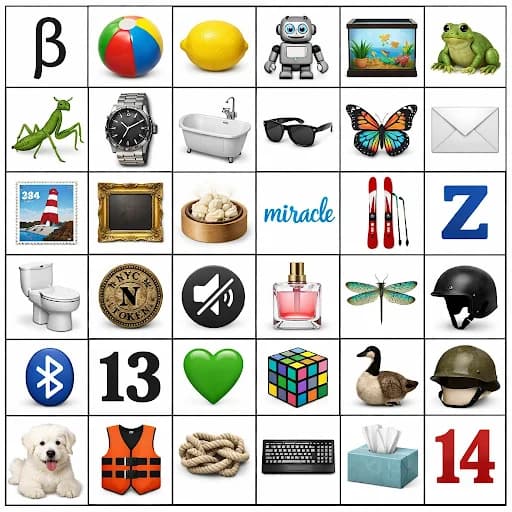
Instruction Following
Complex prompts and structured layout control
OpenAI now explicitly frames ChatGPT Images 2.0 around stronger instruction following, richer layout behavior, and more complex output structure.
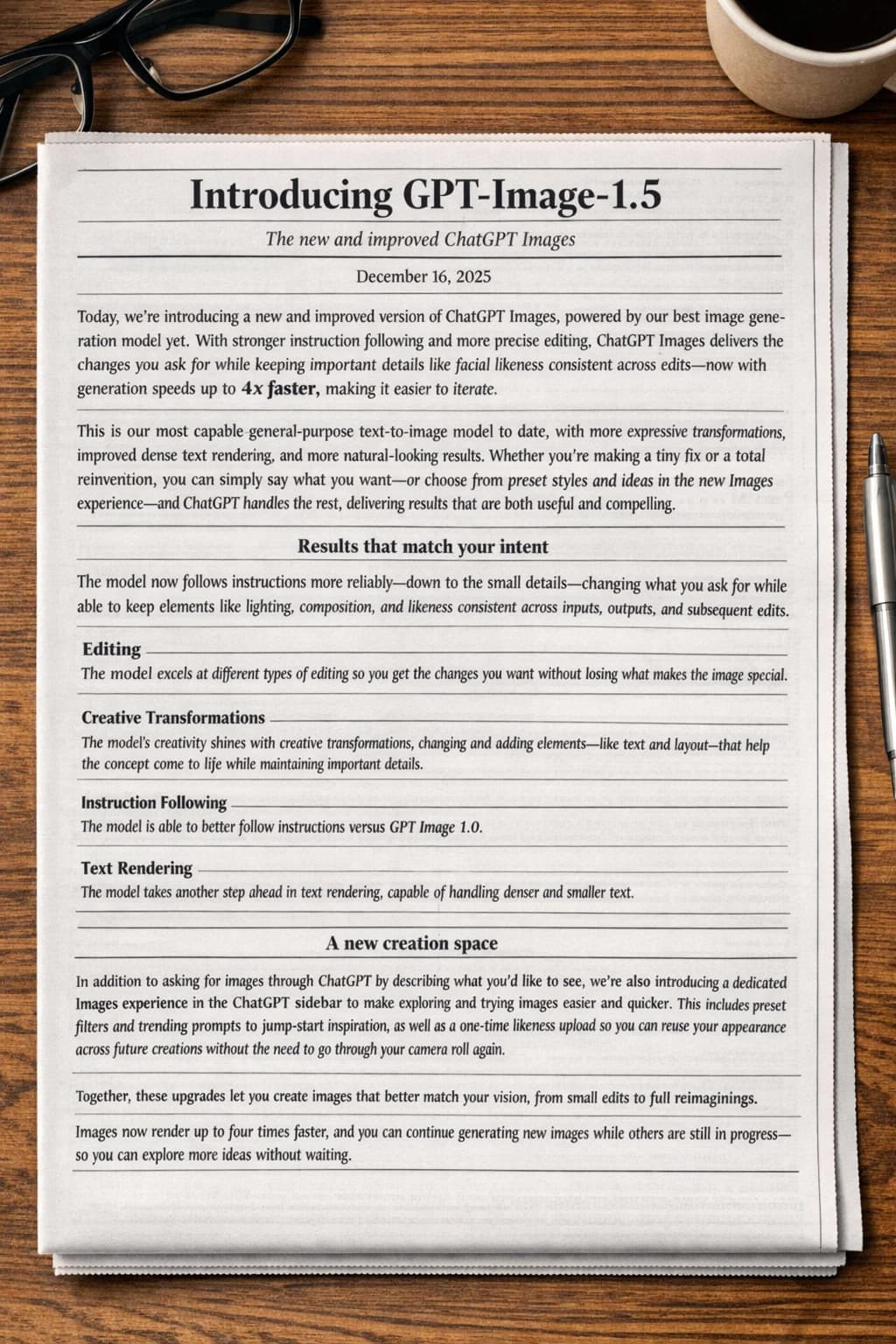
Text Rendering
Readable editorial and newspaper-style layouts
Dense text and multilingual typography are among the most visible public improvements in ChatGPT Images 2.0 and should be part of every launch benchmark.

Vofy
A place to compare real tasks, not just announcement claims
The useful next step after the launch is to run your own edits, layouts, and creative variants on Vofy and compare them against the official ChatGPT Images 2.0 claims.