
FAQ HUB
ChatGPT Images 2.0 FAQ — official names, API limits, and rollout differences
This FAQ now reflects the official April 21, 2026 launch and focuses on the parts people actually need: the product name, the API name, availability, pricing, transparent-background differences, and rollout-safe evaluation.

About the Model
Official Names and Release
Understand how OpenAI names the launch across product and API surfaces and what was officially published on April 21, 2026.
Is GPT Image 2 official now?▼
Yes. The official product release is ChatGPT Images 2.0, published on April 21, 2026. The API model documented by OpenAI is named `gpt-image-2`.
What does OpenAI say improved?▼
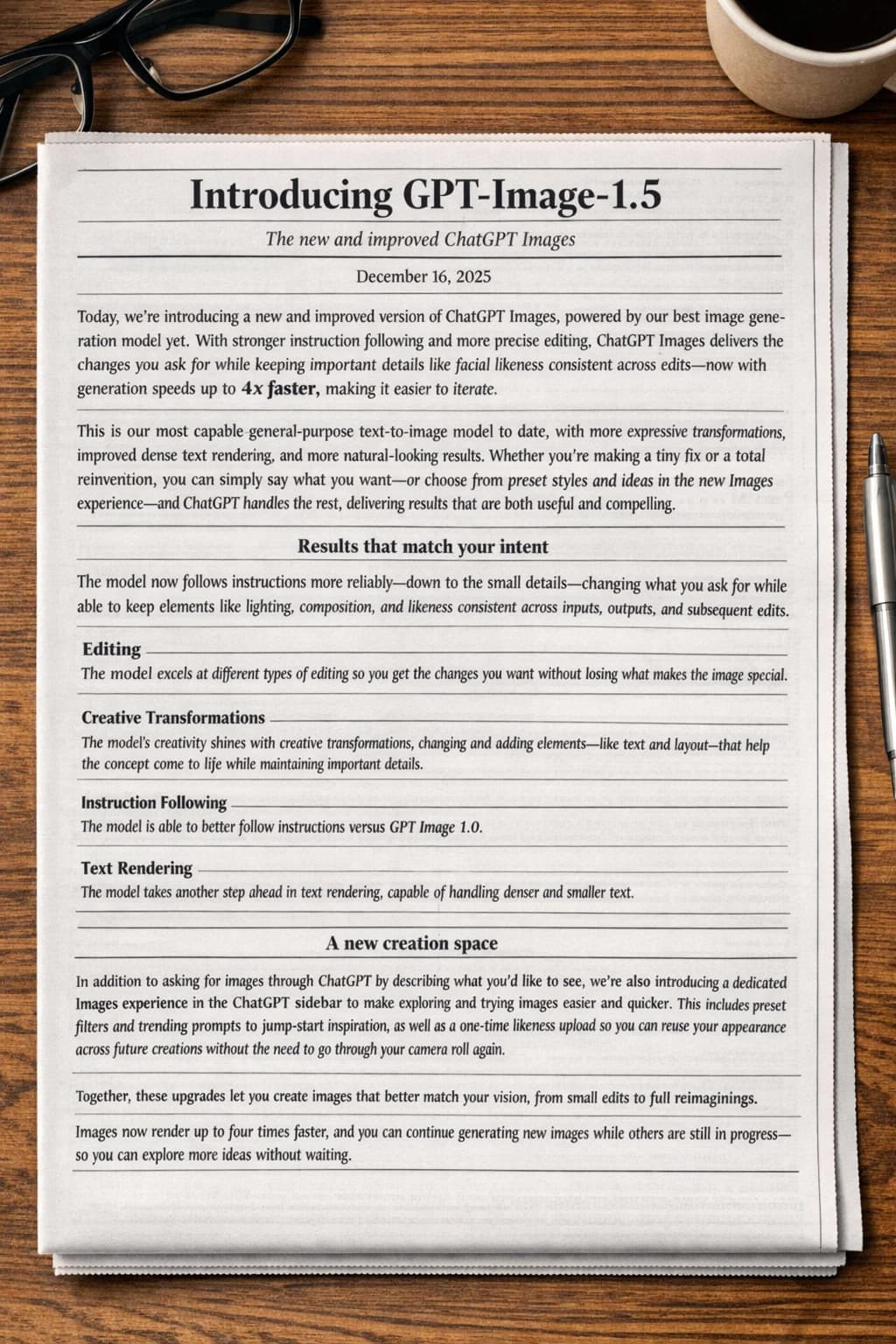
OpenAI describes ChatGPT Images 2.0 as a major step forward in world knowledge, instruction following, and generating detail and complexity such as dense text. The API model page positions `gpt-image-2` as a state-of-the-art model for fast, high-quality image generation and editing.
Is `GPT 2 Image` an official name?▼
No. It is a search variant people use on the web. The official public names are ChatGPT Images 2.0 and `gpt-image-2`.
About Availability
ChatGPT and API
This is the part most launch pages blur together. The product experience and the API model overlap, but they are not identical.
Where is ChatGPT Images 2.0 available?▼
OpenAI's Help Center says ChatGPT Images 2.0 is available on all ChatGPT tiers, while Images with Thinking is available on Plus, Pro, and Business and is coming to Enterprise and Edu soon. The feature is available on web and iOS/Android.
Does the API support transparent backgrounds?▼
Not currently. The Help Center says ChatGPT Images can make backgrounds transparent, but the image generation guide says `gpt-image-2` does not currently support transparent backgrounds in the `background` parameter.
What endpoints and pricing matter first?▼
The official model page lists `v1/responses`, `v1/chat/completions`, `v1/images/generations`, and `v1/images/edits` among the relevant surfaces. The pricing page lists token pricing for `gpt-image-2`, including image input, text input, and image output, with lower rates for batch usage.
About Rollout
Safety and Evaluation
OpenAI shipped more than image quality. The launch also includes safety, provenance, and workflow decisions teams should factor into adoption.
What is Thinking mode in ChatGPT Images 2.0?▼
OpenAI says the new Thinking mode adds reasoning and tool use to the image-generation process so the system can use live web search, generate multiple images from one prompt, and turn rough prompts into more researched final outputs.
What safety and provenance details shipped with the launch?▼
The system card describes upstream prompt refusals, downstream blocking for inputs and outputs, a safety reasoning model, C2PA metadata, and an imperceptible watermark for provenance support.
How should teams evaluate ChatGPT Images 2.0 in practice?▼
Build a benchmark set around your real jobs: product edits, text-heavy graphics, multilingual layouts, poster systems, and size-specific outputs. Then compare quality, latency, pricing, and QA friction on Vofy instead of relying on launch-day examples alone.
Visual References
Current capability anchors
The official image-quality baseline
Use a current Vofy GPT image example to anchor the discussion in the official ChatGPT Images 2.0 launch rather than pre-launch assumptions.
Why editing and dense text matter most
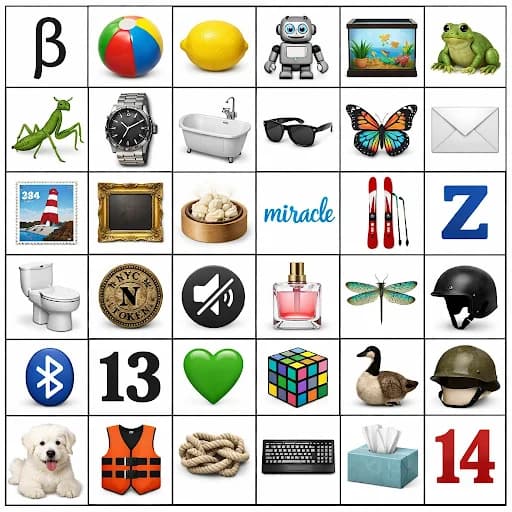
These are the two most consistent themes across OpenAI's official ChatGPT Images 2.0 launch materials and the fastest way to build a practical benchmark.